


Herbs for Reducing Gut Inflammation: A Gentle Guide to Healing Your Digestive Health

Gut inflammation can feel like a constant, unwelcome companion. It might show up as bloating, discomfort, or that frustrating sluggishness that drags you down. If you’ve been searching for a natural, nurturing way to soothe your digestive system, you’re in the right place. Today, I want to share some of the most effective herbs for gut inflammation that can support your journey to feeling balanced and vibrant again.
Let’s explore how these gentle, time-honoured plants can help calm your gut, ease discomfort, and restore harmony from the inside out.
Understanding Herbs for Reducing Gut Inflammation
When your gut is inflamed, it means your digestive lining is irritated or swollen. This can happen for many reasons - stress, diet, hormonal changes, or sensitivities. The good news? Certain herbs have been used for centuries to reduce inflammation and support gut healing.
Herbs work by gently calming the digestive tract, reducing oxidative stress, and encouraging healthy digestion. They can be taken as teas, tinctures, or added to meals. The key is consistency and listening to your body’s response.
Here are some herbs that I find especially nurturing for gut inflammation:
Chamomile: Known for its soothing properties, chamomile helps relax the digestive muscles and reduce inflammation.
Ginger: A warming herb that aids digestion and eases nausea while calming inflammation.
Turmeric: Contains curcumin, a powerful anti-inflammatory compound that supports gut lining repair.
Slippery Elm: Coats and soothes irritated mucous membranes in the digestive tract.
Marshmallow Root: Similar to slippery elm, it forms a protective layer in the gut to reduce irritation.
Licorice Root (DGL form): Helps repair the gut lining and reduce inflammation without raising blood pressure.
These herbs are gentle yet effective allies in your wellness routine. You might find that combining a few in a daily tea ritual brings the most comfort.

Chamomile is a gentle herb often used to soothe digestive discomfort and promote calm.
What is the 1 Substance to Help Heal the Gut?
If I had to pick one substance that stands out as a cornerstone for gut healing, it would be glutamine. This amino acid is the primary fuel for the cells lining your intestines. When your gut is inflamed, these cells need extra support to repair and regenerate.
Glutamine helps:
Strengthen the gut barrier to prevent “leaky gut”
Reduce inflammation by supporting immune function
Promote faster healing of the digestive lining
While glutamine is found in foods like bone broth and certain proteins, supplementation can be helpful during times of intense gut distress. However, pairing glutamine with soothing herbs creates a balanced approach that nurtures your gut on multiple levels.
How to Use Herbs Safely and Effectively for Gut Health
It’s important to approach herbal remedies with care and respect for your body’s unique needs. Here are some tips to get the most from your herbal journey:
Start Slowly: Introduce one herb at a time to observe how your body responds.
Choose Quality: Opt for organic, reputable sources to ensure purity and potency.
Prepare Properly: Many herbs are best enjoyed as teas or infusions. For example, steep chamomile or ginger in hot water for 5-10 minutes.
Be Consistent: Herbal benefits build over time. Aim for daily rituals rather than occasional use.
Listen to Your Body: If you notice any adverse reactions, pause and consult a healthcare professional.
Combine with Lifestyle Support: Herbs work best alongside balanced nutrition, stress management, and gentle movement.
Remember, herbs are part of a holistic approach. They support your body’s natural healing but are not quick fixes.

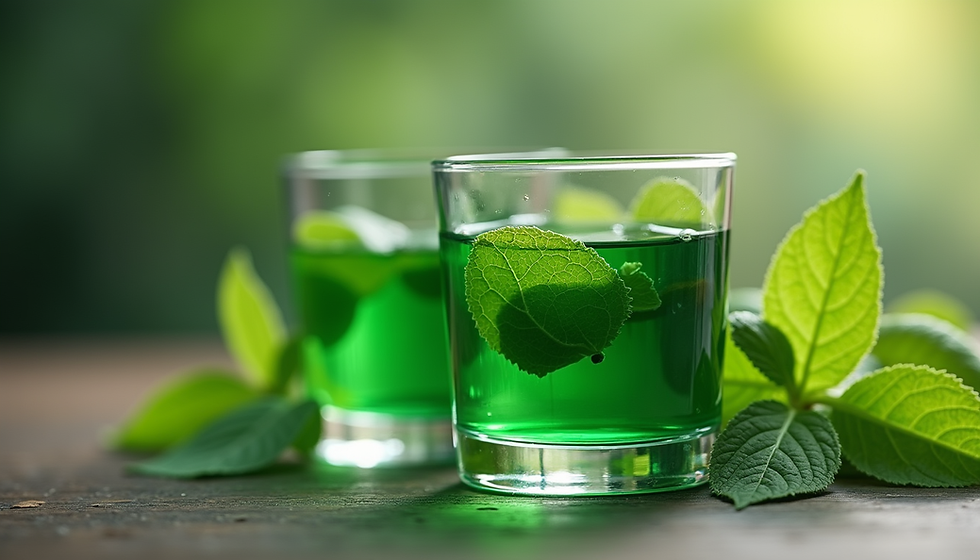
Enjoying a warm cup of herbal tea can be a soothing ritual to support gut health.
Exploring the Best Herbs for Gut Inflammation
Now, let’s dive deeper into some of the best herbs for gut inflammation and how they can help you feel better day by day.
Chamomile
Chamomile is a classic herb for calming the digestive system. It relaxes the muscles in your gut, which can ease cramping and bloating. Its anti-inflammatory properties help reduce irritation in the stomach lining.
How to use: Brew chamomile tea daily, especially after meals or before bed to support digestion and restful sleep.
Ginger
Ginger is a warming root that stimulates digestion and reduces nausea. It also has anti-inflammatory effects that can soothe an irritated gut.
How to use: Fresh ginger tea or adding grated ginger to meals can be very effective. You can also find ginger in powdered form for easy use.
Turmeric
Turmeric’s active compound, curcumin, is a potent anti-inflammatory agent. It helps reduce gut inflammation and supports the repair of the intestinal lining.
How to use: Add turmeric powder to cooking or enjoy turmeric tea. Pair it with black pepper to enhance absorption.
Slippery Elm
Slippery elm contains mucilage, a gel-like substance that coats and protects the gut lining. This makes it excellent for soothing inflammation and irritation.
How to use: Slippery elm powder can be mixed with warm water to create a soothing drink. It’s especially helpful during flare-ups.
Marshmallow Root
Similar to slippery elm, marshmallow root forms a protective layer in the digestive tract. It helps reduce inflammation and supports healing.
How to use: Prepare marshmallow root tea by steeping the dried root in hot water for 10-15 minutes.
Licorice Root (DGL)
Deglycyrrhizinated licorice (DGL) is a form of licorice that supports gut healing without affecting blood pressure. It helps repair the mucous lining and reduces inflammation.
How to use: DGL is often taken as chewable tablets before meals to soothe the gut.
By incorporating these herbs thoughtfully, you can create a nurturing routine that supports your gut’s natural healing process.
Creating a Daily Ritual to Support Your Gut
Healing your gut is not just about what you take but how you care for yourself daily. Herbal remedies can become a beautiful part of a calming ritual that nourishes both body and mind.
Here’s a simple ritual you might try:
Morning: Start with a warm cup of ginger or turmeric tea to gently wake up your digestion.
Midday: Sip chamomile tea after lunch to ease digestion and reduce inflammation.
Evening: Enjoy a soothing cup of slippery elm or marshmallow root tea to calm your gut before bed.
Pair these teas with mindful breathing or a few moments of quiet reflection. This combination of herbal support and calm presence can make a big difference in how you feel.
Embracing a Holistic Approach to Gut Wellness
While herbs are powerful, they work best as part of a balanced lifestyle. Here are some additional tips to support your gut health:
Eat whole, nourishing foods rich in fibre and antioxidants.
Stay hydrated with water and herbal teas.
Manage stress through gentle movement, meditation, or journaling.
Prioritise sleep to allow your body time to heal.
Avoid irritants like excessive caffeine, alcohol, and processed foods.
By weaving these practices together, you create a foundation where your gut can thrive.
If you want to explore more about the best herbs for gut inflammation, this resource offers detailed insights and guidance to help you choose what feels right for you.
Taking the Next Step Toward Gut Comfort
I hope this gentle guide has given you some clarity and encouragement. Remember, healing your gut is a journey, not a race. With patience, kindness, and the right herbal allies, you can restore balance and feel more connected to your body’s natural rhythm.
Why not start today with a warm cup of chamomile tea? Let it be a small act of self-care that reminds you - you are worth this nurturing attention.
Your gut is the root of your wellbeing. Treat it with love, and it will support you in return.
Thank you for joining me on this path to gentle gut healing. Here’s to your health and harmony.


Comments