


What If Your Healing Didn’t Need to Be Hard?

Updated: Feb 11
For generations, the idea of healing has been wrapped in struggle. We’ve been told that to feel better, we must work harder — follow strict routines, cut out entire food groups, wake up earlier, push through discomfort, and stay disciplined no matter what. Healing, we’re told, is something to earn through effort and endurance.
But what if that belief — that healing must be hard — is the very thing keeping the body from truly recovering?
Many women arrive at wellness already depleted. They’ve tried every diet, every supplement, every new “miracle” routine. They’ve tracked calories, steps, and sleep cycles. They’ve followed protocols that promised transformation but left them feeling more disconnected than ever. Beneath it all lies a quiet exhaustion — not just physical, but emotional. The exhaustion of constantly trying to fix a body that was never broken. The truth is simple yet radical: the body doesn’t heal under pressure. It heals under safety.

Healing Happens When the Body Feels Safe
The human body is not a machine to be controlled; it’s a living ecosystem guided by the nervous system — the control center for everything that happens inside. Digestion, hormones, sleep, mood, and energy all depend on one thing: whether the body feels safe.
When the nervous system senses threat — whether from external stress or internal self-criticism — it shifts into survival mode. This is the body’s ancient defence mechanism, designed to protect against danger. But in modern life, that “danger” often looks like rushing through the day, skipping meals, overexercising, or constantly striving for perfection.
In survival mode, the body prioritizes short-term safety over long-term healing. Digestion slows because the body doesn’t think it’s safe to rest and absorb nutrients. Hormones become chaotic as cortisol and adrenaline flood the system. Inflammation rises, energy drops, and sleep becomes shallow. No supplement or superfood can override a body that feels unsafe. Safety, not struggle, is the foundation of healing.
The Nervous System’s Language of Safety
The nervous system doesn’t respond to logic — it responds to signals. Every action, thought, and environment sends a message: “I am safe” or “I am not safe.” When the body receives consistent signals of safety, it begins to shift out of survival mode and into restoration.
Safety looks like slowing down. It looks like nourishment, warmth, and softness. It looks like being kind to the body instead of controlling it. This is why gentle healing is not weak — it’s intelligent. It works with the body’s natural rhythms instead of against them.

Gentle Is Not Weak — It’s Intelligent
The wellness world often glorifies extremes: detoxes, fasts, high-intensity workouts, and rigid routines. But true healing doesn’t require punishment. It requires presence.
Healing doesn’t require:
❌ Extreme diets
❌ Constant tracking
❌ Punishing routines
It requires:
✔ Consistency
✔ Nourishment
✔ Small daily rituals
Gentle healing is about creating an environment where the body feels safe enough to do what it already knows how to do — repair, restore, and rebalance.
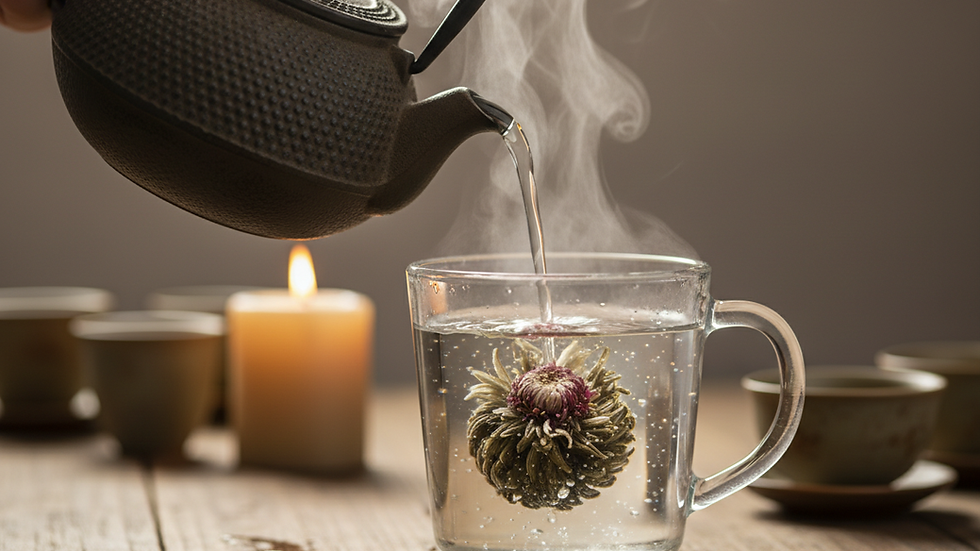
A warm cup of herbal tea. Eating without distraction. Wearing clothes that don’t constrict or irritate. Letting evenings soften instead of staying switched on. These are not luxuries. They are biological signals of safety. Each small act tells the body, “You can rest now. You are safe.”
The Power of Small Rituals
Healing doesn’t happen in grand gestures. It happens in the quiet moments — the ones that often go unnoticed. The body doesn’t need a complete overhaul; it needs consistency in the small things.
A simple daily ritual can begin to rewire the nervous system toward calm.
Try this once a day:
Make a warm drink — herbal tea is ideal.
Sit down — no phone, no distractions.
Take five slow, deep breaths.
Silently say: “I’m not in a rush.”
That’s it. No elaborate setup, no special tools. Just presence. This simple act tells the nervous system, “I am safe now.” Over time, these moments accumulate. The body begins to trust that it no longer needs to stay on high alert. Digestion improves. Sleep deepens. Energy stabilizes. The mind softens. Healing begins not with doing more, but with doing less — and doing it with intention.
Redefining What Healing Looks Like
Healing is not a destination. It’s not a checklist or a finish line. It’s a relationship — one between the body and the self. And like any relationship, it thrives on trust, compassion, and consistency. For many, the hardest part of healing is unlearning the belief that it must be hard. That belief runs deep. It’s reinforced by a culture that equates worth with productivity and discipline with virtue. But the body doesn’t measure worth. It only responds to how it’s treated.
When healing becomes gentle, it becomes sustainable. It stops being something to “achieve” and starts being something to live. It becomes a way of being — a rhythm that supports rather than drains.
The Science of Softness
Modern research supports what ancient wisdom has always known: the body heals best in states of calm and safety. When the parasympathetic nervous system — often called the “rest and digest” system — is activated, the body shifts into repair mode. Blood flow returns to the digestive organs, hormones rebalance, and inflammation decreases. Gentle practices like slow breathing, mindful eating, and grounding rituals activate this healing state. They may seem simple, but their effects are profound. Over time, they retrain the nervous system to spend more time in calm rather than chaos. Softness is not the absence of strength. It’s the presence of awareness. It’s the ability to listen to the body’s cues and respond with care instead of control.
Wellness as a Way of Living
At Wellness Roots, wellness is not about perfection — it’s about presence. It’s about creating a life that supports healing rather than competes with it. Wellness should fit into daily life, not take it over.
That’s why the focus is on tools that nurture rather than demand:
These are not cures. They are reminders — gentle invitations to slow down, breathe, and listen. They help create an environment where healing feels natural, not forced. When wellness becomes a way of living, it stops being something to chase. It becomes something to embody.

The Role of Kindness in Healing
Kindness is often underestimated in the healing process. Yet it is one of the most powerful medicines available. When the body is met with kindness, it relaxes. When the mind is met with compassion, it opens.
Healing is not about forcing change; it’s about creating the conditions where change can happen naturally. Kindness looks like resting when tired instead of pushing through. It looks like eating to nourish, not to restrict. It looks like speaking gently to the body, even when it feels uncomfortable or imperfect. Every act of kindness toward the body is a signal of safety. And safety is the soil where healing grows.
Reclaiming the Feminine Rhythm of Healing
For women especially, healing often requires returning to a more cyclical, intuitive rhythm. The modern world rewards linear progress — always forward, always more. But the body, particularly the female body, moves in cycles. Energy rises and falls. Hormones ebb and flow. Healing honors these natural rhythms instead of resisting them. Gentle healing allows space for rest, reflection, and renewal. It recognizes that slowing down is not regression — it’s wisdom. It’s the body’s way of recalibrating and restoring balance.
When healing aligns with the body’s natural rhythm, it becomes less about control and more about cooperation. The body is not an obstacle to overcome; it’s a partner in the process.
The Myth of “Doing It Right”
One of the biggest barriers to healing is the fear of doing it wrong. The wellness industry often feeds this fear — offering endless rules, restrictions, and “must-do” lists. But healing is not a formula. It’s a conversation between the body and the self, and that conversation looks different for everyone. There is no single right way to heal. There is only what feels right in the moment. Some days that might mean movement; other days, stillness. Some days it’s green juice; other days, comfort food. The key is not perfection, but presence.
When the pressure to “do it right” is released, healing becomes lighter. It becomes something to explore rather than achieve.

Creating a Life That Feels Like Healing
Healing is not something that happens in isolation. It’s woven into the fabric of daily life — in the way mornings begin, meals are shared, and evenings wind down. A healing life is one that feels spacious, grounded, and kind.
Creating such a life doesn’t require drastic change. It begins with small, intentional choices:
Choosing rest over rush.
Choosing nourishment over restriction.
Choosing softness over self-criticism.
Choosing presence over perfection.
Each choice is a message to the body: “You are safe. You are cared for.” Over time, these messages accumulate, and the body begins to trust again. That trust is the foundation of true healing.
Final Thought
What if healing doesn’t need more effort — just more kindness? The body is not asking for control, discipline, or perfection. It’s asking for safety, softness, and presence. Healing doesn’t respond to force; it responds to care. It doesn’t thrive under pressure; it thrives under peace.
The next time the impulse arises to push harder, pause instead. Take a breath. Feel the ground beneath. Whisper to the body, “I’m not in a rush.” That simple act is not small — it’s revolutionary. Because healing doesn’t begin when everything is fixed. It begins when the body finally feels safe enough to rest. And that’s something that can begin today.
Stay Connected
If this message resonated with you, I’d love to stay in touch. You can reach me directly at www.wellnessroots.ie or connect through @*wellnessroots.ie.
Whether you’re beginning your healing journey or simply looking for gentle ways to support your body, I’m here to share tools, guidance, and reminders that healing can feel soft — not stressful. Let’s create a space where wellness feels like coming home.



Comments