


Natural Strategies for Achieving Natural Hormonal Balance

Finding harmony within our bodies can sometimes feel like a delicate dance. Hormones play a starring role in this dance, influencing everything from mood to energy, digestion to sleep. When they’re out of sync, life can feel overwhelming. But the good news? There are gentle, natural ways to support your body and encourage a healthy rhythm. Let’s explore some nurturing strategies that can help you achieve natural hormonal balance and feel more like yourself again.
Embracing Natural Hormonal Balance Through Lifestyle Choices
Our daily habits have a profound impact on how our hormones function. Small, mindful changes can make a big difference. Here are some practical steps to consider:
Prioritise Quality Sleep
Sleep is the foundation of hormonal health. Aim for 7-9 hours of restful sleep each night. Create a calming bedtime routine by dimming lights, avoiding screens, and perhaps enjoying a warm herbal tea. Your body repairs and regulates hormones best when you’re well-rested.
Manage Stress with Mindfulness
Chronic stress floods your body with cortisol, a hormone that can throw others off balance. Try gentle practices like meditation, deep breathing, or yoga. Even a short daily walk in nature can soothe your nervous system and help restore calm.
Stay Active, But Listen to Your Body
Regular movement supports hormone production and metabolism. Choose activities you enjoy, whether it’s swimming, dancing, or a brisk walk. Avoid over-exercising, which can stress your body and disrupt hormone levels.
Nourish with Whole Foods
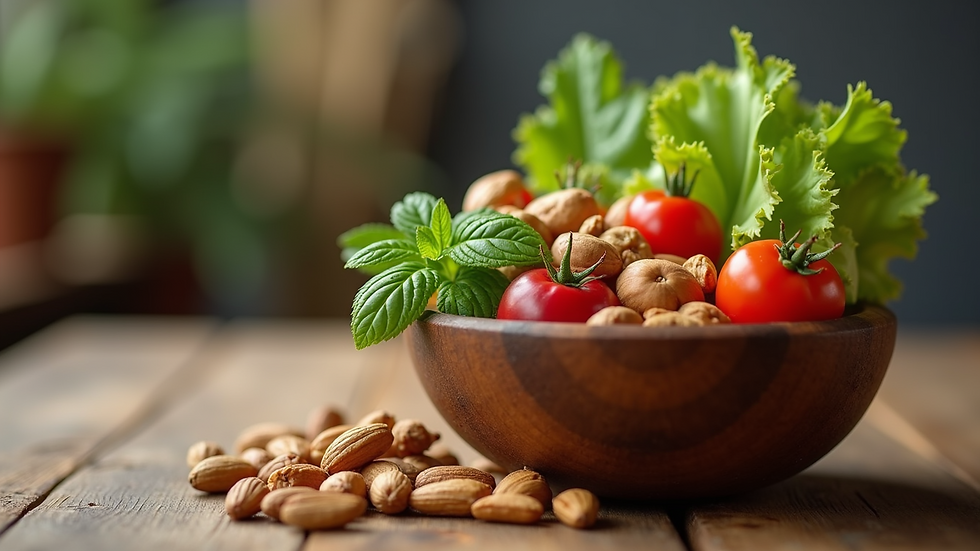
Focus on a diet rich in colourful vegetables, fruits, whole grains, and healthy fats like avocados and nuts. These foods provide essential nutrients that support hormone synthesis and balance. Avoid processed foods and excess sugar, which can cause inflammation and hormonal fluctuations.
Hydrate Mindfully
Drinking enough water helps your body flush out toxins and maintain optimal function. Herbal teas like chamomile or peppermint can also support digestion and relaxation.
What Does a Hormonal Balance Feel Like?
You might wonder, how will I know when my hormones are in harmony? When your hormones are balanced, you often experience:
Steady Energy Levels
No more mid-afternoon crashes or restless nights. Your energy feels consistent throughout the day.
Stable Mood
You notice fewer mood swings, irritability, or feelings of anxiety. Instead, there’s a sense of calm and emotional resilience.
Healthy Digestion
Your gut feels comfortable, with regular digestion and minimal bloating or discomfort.
Restful Sleep
Falling asleep and staying asleep becomes easier, leaving you refreshed in the morning.
Balanced Appetite
Cravings for sugar or junk food decrease, and you feel satisfied with nourishing meals.
Recognising these signs can be empowering. It’s a gentle reminder that your body is finding its natural rhythm again.
The Role of Gut Health in Hormonal Harmony
Did you know your gut and hormones are closely connected? The gut produces and regulates many hormones, including those that influence mood and metabolism. Supporting your gut health is a powerful way to encourage overall balance.
Include Probiotic-Rich Foods
Yogurt, kefir, sauerkraut, and kimchi introduce beneficial bacteria that help maintain a healthy gut flora.
Eat Prebiotic Fibre
Foods like garlic, onions, leeks, and asparagus feed the good bacteria in your gut, helping them thrive.
Avoid Antibiotic Overuse
While sometimes necessary, antibiotics can disrupt your gut microbiome. When possible, support your gut with probiotics during and after antibiotic treatment.
Stay Hydrated
Water helps keep your digestive system moving smoothly.
Consider Herbal Support
Gentle herbs like ginger and peppermint can soothe digestion and reduce inflammation.

How to Use Natural Supplements Wisely
Sometimes, natural supplements can provide extra support on your journey to balance. However, it’s important to approach them thoughtfully:
Adaptogenic Herbs
Herbs like ashwagandha, rhodiola, and holy basil help your body adapt to stress and support adrenal health.
Omega-3 Fatty Acids
Found in fish oil or flaxseed, omega-3s reduce inflammation and support hormone production.
Vitamin D
Many people are deficient in vitamin D, which plays a role in hormone regulation. A simple blood test can guide supplementation.
Magnesium
This mineral supports relaxation, sleep, and hormone synthesis.
Before starting any supplement, it’s wise to consult a healthcare professional who understands your unique needs. Personalised guidance ensures you’re choosing the right support for your body.
Creating a Supportive Environment for Lasting Change
Achieving natural hormonal balance is a journey, not a quick fix. Creating an environment that nurtures your wellbeing can make all the difference:
Set Realistic Goals
Small, consistent changes are more sustainable than drastic shifts. Celebrate each step forward.
Build a Support Network
Surround yourself with people who encourage your wellness journey. Sharing experiences can be uplifting.
Listen to Your Body
Tune in to how you feel after different foods, activities, or routines. Your body’s signals are valuable guides.
Be Patient and Kind to Yourself
Hormonal balance takes time. Treat yourself with compassion and trust the process.
If you want to explore more personalised strategies, hormonal balance experts can offer tailored advice and natural healing approaches that fit your lifestyle.
Embracing Your Path to Wellness
Your body is wonderfully resilient. With gentle care, mindful choices, and a little patience, you can support your natural hormonal balance and rediscover vitality. Remember, every small step counts. Nourish yourself with kindness and curiosity, and watch as your wellbeing blossoms from within.


Comments